When you need more storage, every square foot matters. A barn loft helps you use the upper part of your building instead of leaving that area empty. It gives you a separate place for seasonal items, boxes, tools, and other belongings while keeping the main floor open.
So, how much extra space does a barn loft provide? A standard 4 foot loft can add about 32 to 48 square feet of storage, depending on the width of the barn. A building with two 4 foot lofts may gain about 80 to 96 square feet.
The exact amount depends on the barn size, loft layout, and space needed for access. Still, a loft can make a noticeable difference in how much you can store and how well you can organize it.
What Is a Barn Loft?
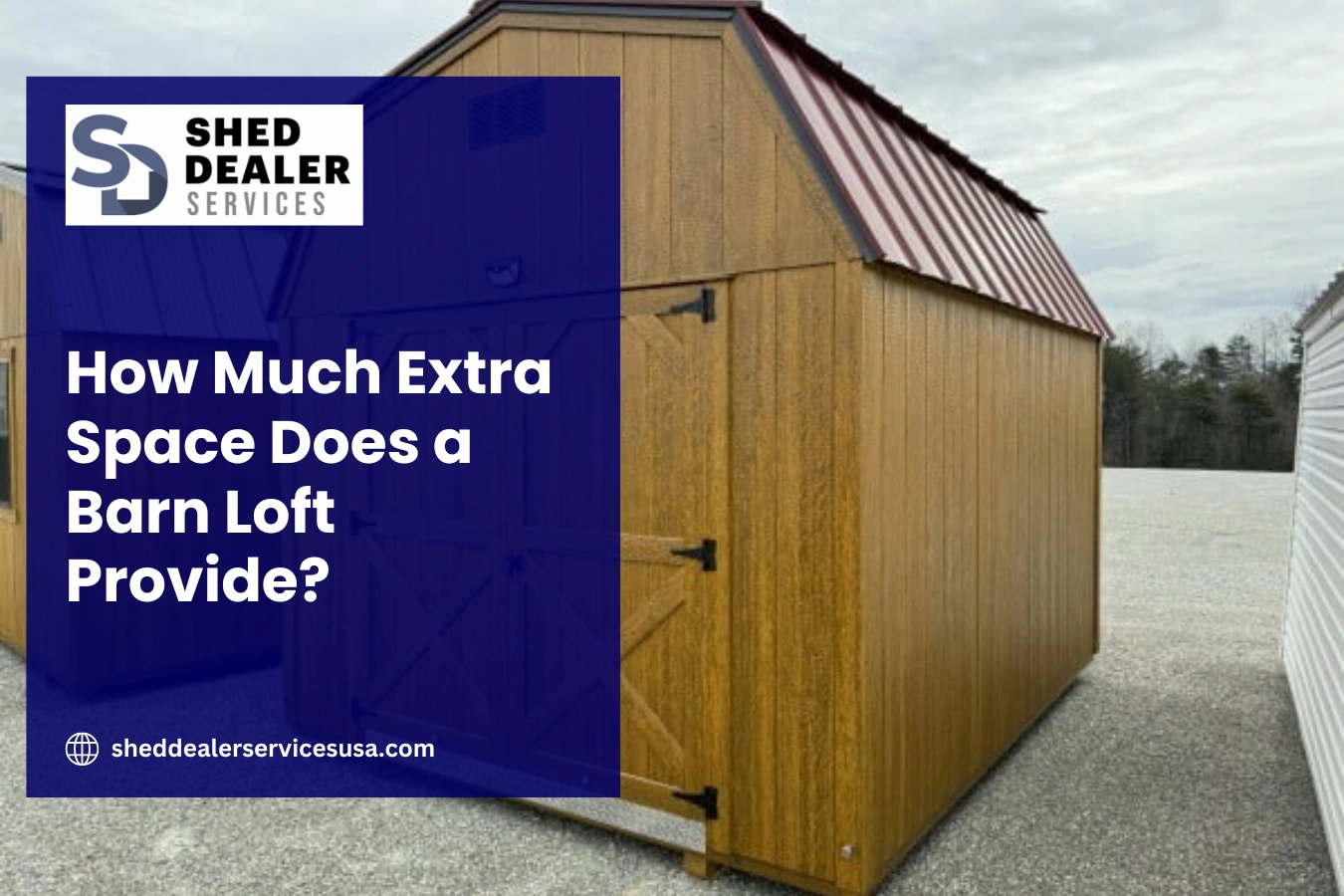
A barn loft is a raised storage platform installed above part of the main floor. It takes advantage of the extra height created by the classic barn roof.
Instead of storing everything on the floor, you can move lighter and less frequently used items into the loft. This leaves more room below for lawn equipment, bicycles, tools, work areas, and larger belongings.
A loft does not usually cover the entire interior. It is commonly placed at one end or at both ends of a longer barn. This arrangement helps preserve an open center area and makes the building easier to use.
How Much Barn Loft Space Can You Expect?
The easiest way to estimate barn loft space is to multiply the width of the building by the depth of the loft.
For example, a 4 foot loft in an 8 foot wide barn provides approximately:
8 feet × 4 feet = 32 square feet
Here are a few common examples:
| Barn Width | Loft Depth | Approximate Loft Space |
|---|
| 8 feet | 4 feet | 32 square feet |
| 10 feet | 4 feet | 40 square feet |
| 12 feet | 4 feet | 48 square feet |
A single loft can therefore provide about 32 to 48 square feet of extra storage.
If your barn includes two lofts, you can gain even more room:
| Barn Width | Number of Lofts | Approximate Total Loft Space |
|---|
| 10 feet | Two 4 foot lofts | 80 square feet |
| 12 feet | Two 4 foot lofts | 96 square feet |
These numbers are helpful estimates. The actual usable area may vary based on access, framing, and the final design of the structure.
Barn Loft Space by Building Size
Shed Dealer Services offers barn sizes that can include one or two lofts, depending on the building dimensions.
Barns From 8 by 10 to 10 by 12
Select smaller barn sizes may include one 4 foot loft.
An 8 foot wide barn with a 4 foot loft provides about 32 square feet of elevated storage. A 10 foot wide barn with the same loft depth provides about 40 square feet.
That space can hold several labeled storage bins, holiday decorations, camping supplies, or smaller household items. It may not sound like a huge area at first, but moving even a few bulky containers off the floor can make the barn feel much more open.
Barns From 10 by 16 to 12 by 32
Larger barn sizes may include two 4 foot lofts. One can be placed at each end of the building.
A 10 foot wide barn with two lofts provides about 80 square feet of total loft space. A 12 foot wide barn with two lofts provides about 96 square feet.
With storage at both ends, you can also organize items by category. One loft could hold seasonal decorations, while the other stores camping supplies or household items. Meanwhile, the center section remains open for taller equipment and regular movement.
How Much of Your Main Floor Can a Loft Free Up?
The square footage gained above can also represent floor space recovered below.
Suppose you currently keep eight large storage containers on the floor. If each container takes up about four square feet, they may occupy around 32 square feet in total. Moving them into an 8 foot wide loft could free most or all of that floor area.
You could use the recovered space for:
- A lawn mower
- A garden cart
- Bicycles
- A tool cabinet
- A small workbench
- Sports equipment
- Outdoor furniture
- A clearer walkway
This is why a barn loft offers more than a number on a floor plan. It can change how the entire building functions.
What Can You Store in a Barn Loft?
Barn loft space is especially useful for lighter items that you do not need every day.
Common items include:
- Holiday decorations
- Empty coolers
- Camping gear
- Plastic storage bins
- Seasonal clothing
- Sports equipment
- Garden supplies
- Empty planters
- Folding chairs
- Household keepsakes
- Craft supplies
- Lightweight lumber
Keeping these items above the main floor helps reduce clutter. It also makes it easier to create clear storage zones inside the barn.
Frequently used items can remain near the doors. Taller equipment can stay in the center. Seasonal belongings can go into the loft until they are needed.
Items That May Be Better on the Main Floor
A loft is valuable, but it is not the right place for every item. Very heavy, large, or frequently used belongings are often easier to store below.
These may include:
- Riding lawn mowers
- Large tool chests
- Heavy machinery
- Bags of soil
- Fuel containers
- Oversized furniture
- Items that are difficult to lift safely
Before loading a loft, ask Shed Dealer Services about its intended use and weight capacity. The team can help you choose a barn and storage layout that suits your needs.
Why the Barn Roof Creates Useful Loft Space
A barn roof rises higher through the center than many standard shed roofs. This classic shape creates extra interior volume.
Without a loft, much of that upper area may remain unused. Adding a raised platform turns it into practical storage.
This design gives you two helpful spaces within one building:
- Elevated storage for lighter and seasonal belongings
- Open floor space for larger items and regular use
You gain better organization without having to increase the footprint of the building.
One Loft or Two Lofts?
The right choice depends on your barn size and what you plan to store.
When One Loft May Be Enough
One loft may work well if you have a smaller property or need storage for only a few seasonal items. It provides a dedicated upper area while leaving the rest of the barn open.
A single loft may be a good fit for:
- Holiday decorations
- Camping supplies
- Extra household bins
- Small gardening items
- Sports equipment
When Two Lofts May Be Better
Two lofts can be a smart choice for a longer barn or a household with growing storage needs. The separate platforms make it easier to organize items into categories.
For example, one loft can hold personal storage while the other holds outdoor supplies. This prevents everything from being mixed together and makes it easier to find what you need.
Two lofts can also leave the center of the barn open. That area may be useful for taller equipment or a more comfortable walkway.
Does a Loft Make a Barn Feel Smaller?
A properly planned loft should add storage without making the entire barn feel cramped.
Because the loft is placed above the main floor, it does not take away the same amount of usable ground space. You can still store items underneath it. Shelving, cabinets, or a workbench may fit well in that area.
The open section between two lofts can also preserve the tall interior that makes a barn feel spacious.
Planning is important. Think about where you will stand, how you will move equipment, and which items need the full interior height. A thoughtful layout helps the loft support the rest of the space.
How to Make Barn Loft Space More Useful
A loft provides extra square footage, but good organization helps you get the most value from it.
Use Matching Storage Bins
Bins that are similar in size are easier to arrange. They can help you use the available loft space without leaving large gaps.
Label Every Container
Place clear labels where you can see them from the access point. This saves time when you need to locate a specific item.
Keep Lighter Items Above
Lightweight belongings are easier to raise and lower. They are also more suitable for elevated storage.
Group Items by Season
Keep summer items together and winter items together. You can then access one section without moving everything else.
Leave Room for Safe Access
Do not pack the loft so tightly that you cannot reach your belongings. A small amount of open space can make storage much easier to manage.
Measure Before You Buy Containers
Check the loft depth and available height before buying new bins. Containers that fit the area well can improve organization and reduce wasted space.
Factors That Affect Usable Barn Loft Space
The estimated square footage provides a good starting point, but usable space can vary.
Barn Width
A wider building creates a wider loft. With the same 4 foot depth, a 12 foot wide loft offers more area than an 8 foot wide loft.
Number of Lofts
One loft provides storage at one end. Two lofts can nearly double the elevated area and create separate storage zones.
Roof Shape
The classic barn profile helps create more upper space. However, the roof slopes may limit the height near the outer edges.
Access Method
The way you reach the loft affects how you use it. You need enough clear space to lift and remove items safely.
Stored Item Sizes
Square containers may fit efficiently, while large or unusually shaped items can leave unused gaps. The layout matters almost as much as the total area.
Is a Barn Loft Worth It?
A barn loft can be a valuable feature if you want to maximize storage without taking up more yard space.
It may be worth considering if:
- Your garage is becoming crowded.
- Seasonal items take up too much floor space.
- You want separate storage zones.
- You expect your storage needs to grow.
- You need an open area for lawn equipment.
- You want more value from the height of your barn.
A loft can also help protect certain belongings from daily foot traffic. Since less frequently used items stay above, the main floor remains cleaner and easier to navigate.
Plan Your Barn Around What You Need to Store
Before selecting a size, make a list of the items you want to place inside your barn.
Separate them into three groups:
- Items used every week
- Items used only during certain seasons
- Large or heavy items that must stay on the floor
This simple process can help you decide whether you need one loft or two. It can also show whether you would benefit from a wider or longer barn.
Think about future needs as well. A barn that feels spacious today may fill up as you add tools, lawn equipment, furniture, or outdoor supplies. Choosing enough room from the beginning can make the building useful for many years.
Customize Your Barn With Shed Dealer Services

Shed Dealer Services offers handcrafted barns built in North Carolina with a focus on strength, appearance, and long term value. Available styles include the Market Barn, Premium Barn, Vinyl Barn, and Designer Metal Barn.
Depending on the model and size, you can explore features such as lofts, workbenches, shelving, windows, doors, electrical options, roof choices, siding colors, and other useful upgrades.
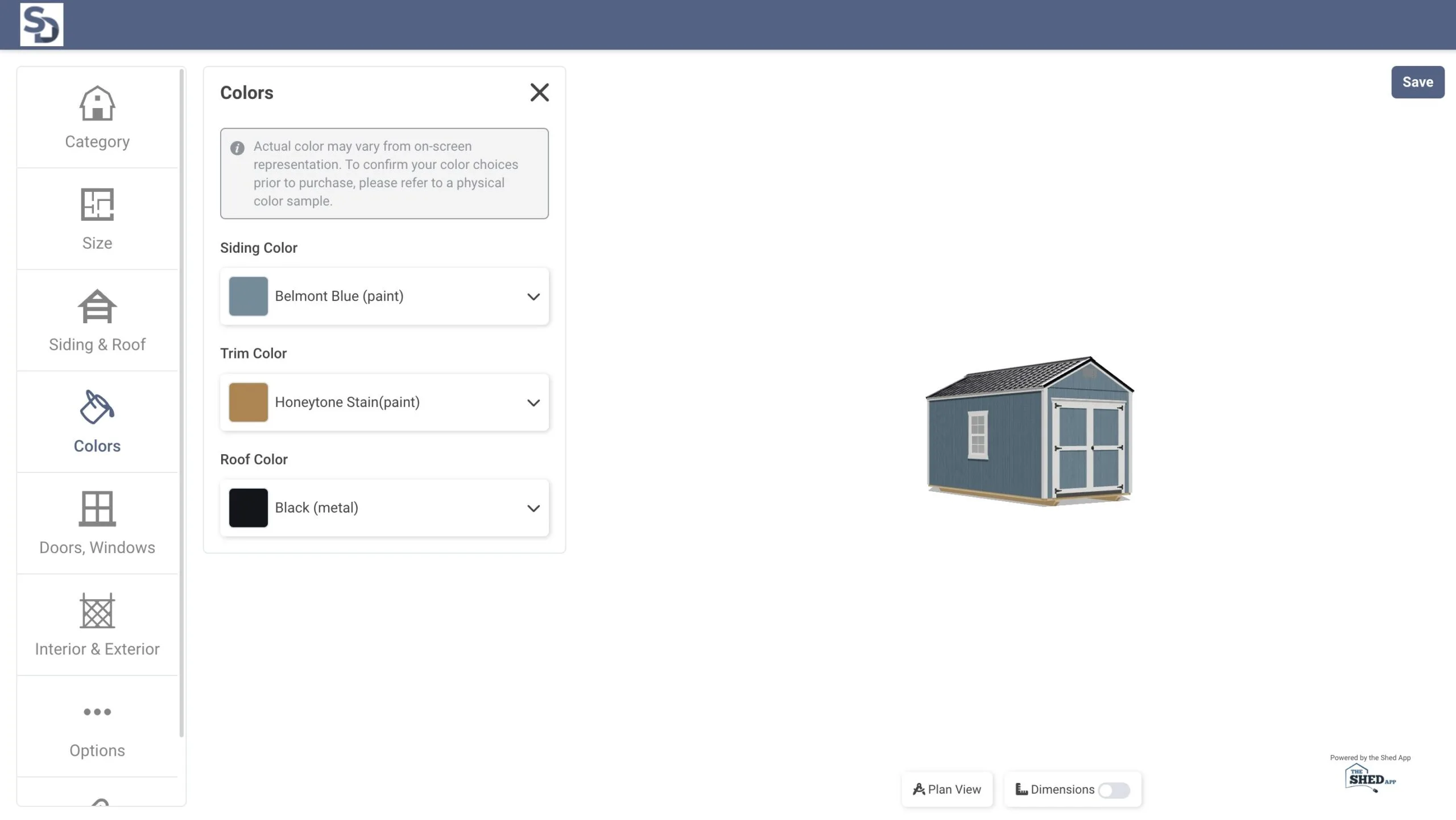
The free 3D Shed Builder Tool makes it easy to explore your ideas. You can select a barn style, adjust the size, compare colors, and add features that support the way you plan to use the building.
Designing the barn visually can also help you think through practical questions. Where should the doors go? Would one loft provide enough storage? Would two lofts help you stay more organized? Which size will leave enough open floor space?
Design a Barn With More Room to Grow
A barn loft can add approximately 32 to 48 square feet with one 4 foot loft. Two lofts may provide around 80 to 96 square feet, depending on the width of the building.
That extra area can free your main floor, create better storage zones, and help you get more use from the same building footprint.
Ready to see how a barn loft could work for your property? Use the Shed Dealer Services 3D Shed Builder Tool to create and customize your barn. You can explore available sizes, colors, and features before choosing the structure that fits your needs.
If you have questions about barn sizes, loft options, delivery, or payment choices, contact Shed Dealer Services. The friendly team can help you plan a building with the right amount of space for today and the future.